
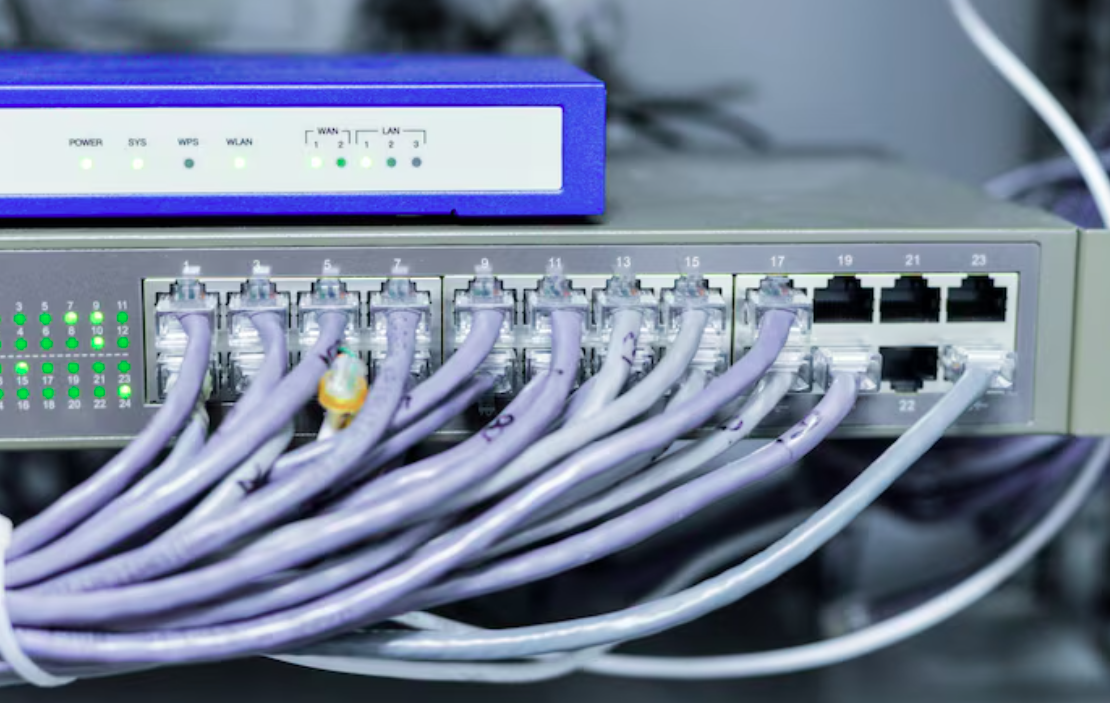
In the digital age, a reliable and efficient communication network is the backbone of any successful enterprise.
As companies integrate more devices, cloud services, and high-speed data applications into their daily operations, the physical infrastructure supporting these technologies becomes increasingly critical.
A traditional, disorganized wiring setup can lead to significant downtime and maintenance challenges. By implementing a unified and organized approach to network infrastructure, known as structured cabling, businesses can ensure long-term stability and high performance for their entire information technology ecosystem.
1. Simplicity and Ease of Network Management
The primary advantage of a professional installation is the high level of organization it brings to a data center or office environment. In a typical work environment, multiple types of hardware including computers, phones, and printers are connected to a single network.
A structured cabling system replaces a complex web of individual wires with a streamlined framework. This organization makes it much easier for IT staff to identify and manage connections.
Because the system is unified, managing moves, additions, and changes to the network becomes a straightforward task rather than a logistical nightmare.
2. Minimizing Costly Downtime and Disruptions
Disorganized wiring systems are notorious for making troubleshooting difficult. When a network issue occurs, technicians often have to sort through a tangled mess of cables to find the source of the problem.
This leads to extended periods of downtime, which can be incredibly expensive for a business. Implementing structured cabling allows for rapid identification of cable faults and hardware issues.
By keeping the infrastructure neat and well-documented, businesses can reduce the time spent on repairs and ensure that their operations remain productive and uninterrupted throughout the workday.
3. High Scalability and Future-Proofing Capabilities
As a business grows, its technological needs inevitably expand. A modern structured cabling system is designed with high bandwidth and scalability in mind.
Whether you are adding new employees to a department or integrating advanced video conferencing tools, an organized system can accommodate these changes with minimal effort.
This adaptability ensures that your infrastructure will not become obsolete as new technologies emerge. Investing in a quality framework today means you are prepared for the high-speed data demands of tomorrow without needing to perform a total system overhaul.
4. Enhanced Flexibility for Office Reconfigurations
The modern workplace is dynamic, and office layouts frequently change to improve collaboration or accommodate new teams. One of the standout features of structured cabling is its inherent flexibility.
Because the system uses standardized outlets and patch panels, moving a workstation from one side of the building to the other is a simple plug-and-play process.
This mobility reduces the costs associated with office renovations and ensures that the communication network can keep pace with the evolving physical structure of the company.
5. Improving Airflow and Equipment Longevity
Safety and equipment health are often overlooked benefits of an organized wiring environment. Massive bundles of tangled wires can block essential airflow in server rooms and data closets, leading to overheating and hardware failure.
By utilizing a tidy structured cabling setup, you ensure that ventilation systems can operate at peak efficiency. Furthermore, an organized environment reduces the risk of accidental unplugging or tripping hazards.
Keeping cables away from heat sources and ensuring proper spacing extends the lifespan of expensive network switches and servers.